日本大黒停车区
Few places in the world capture the spirit of Japanese car culture quite like Daikoku Parking Area. Located in Yokohama, just outside Tokyo, Daikoku PA has become one of the most legendary automotive gathering spots on the planet. For decades, enthusiasts, tuners, and collectors have met here to share their passion for performance cars, JDM legends, and late-night driving culture.
Today, visiting Daikoku PA is considered a must for anyone interested in Japanese automotive culture. But to understand why this location holds such importance, it is essential to explore the history of Japan’s automotive scene and the rise of JDM culture.
The origins of Japanese automotive culture and JDM legends
Japan’s automotive culture began evolving rapidly during the economic boom of the 1980s and 1990s. During this period, Japanese manufacturers focused on performance, technology, and driver engagement, creating vehicles that would later become icons across the world.
Nissan introduced the Skyline GT-R R32, a technologically advanced AWD performance machine powered by the RB26DETT engine. Toyota launched the Supra A80, equipped with the now legendary 2JZ-GTE, known for its immense tuning potential. Mazda refined lightweight performance with the RX-7 FD3S and its distinctive 13B rotary engine, while Honda developed the NSX, a mid-engine sports car designed with Formula 1 engineering input.
Alongside these headline models, other vehicles helped shape Japanese street culture. The Toyota AE86 became synonymous with drifting and mountain driving. The Nissan Silvia S13, S14 and S15 became staples of the tuning community. Mitsubishi Lancer Evolution and Subaru Impreza WRX STI models dominated rally stages and influenced performance builds across Japan.
These cars were not just machines. They became symbols of identity, craftsmanship, and engineering passion. As tuning culture expanded, drivers naturally began gathering in parking areas, expressway service zones, and scenic driving routes.
From these informal gatherings, modern Japanese automotive meet culture was born.
The rise of highway culture and late night gatherings
Tokyo’s Shuto Expressway network played a crucial role in shaping Japan’s car culture. The elevated highways winding through the city created the perfect environment for late-night drives and spontaneous gatherings.
Drivers would complete highway runs, then stop at parking areas to talk, compare builds, and admire each other’s cars. Over time, certain locations became known within the community as regular meeting points.
Among all of them, one place stood above the rest: Daikoku Parking Area.
Daikoku PA: Japan’s most iconic automotive gathering
Over time, Daikoku PA became one of the most famous automotive gathering locations in the world.
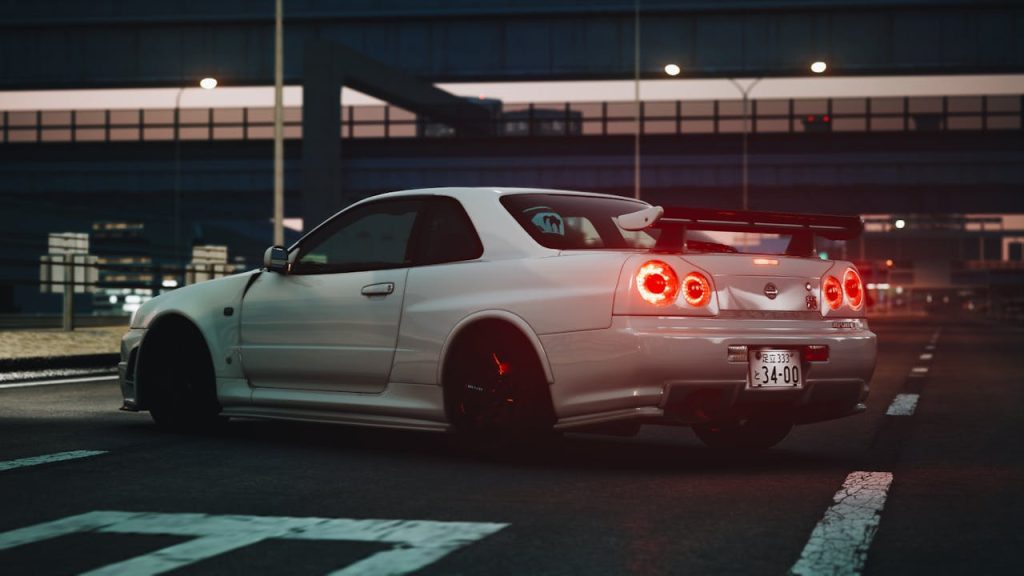
On any given evening, visitors might encounter a constantly changing lineup of vehicles. Classic 1990s JDM legends often appear alongside modern performance cars, track builds, and rare collector vehicles. A Nissan Skyline GT-R R34 might park next to a Toyota Supra A80, while a Mazda RX-7 sits nearby alongside a Honda NSX or Nissan Silvia drift build.
What makes Daikoku unique is its spontaneity. There is no official event schedule, no ticketing, and no guaranteed lineup. Each visit offers a different experience, shaped entirely by the enthusiasts who arrive.
This organic atmosphere is what makes Daikoku PA such an important part of Japanese automotive culture.
常见问题
大黒停车区并不在东京,而是位于神奈川县横濈市鹤见区的人工岛屿上。两市均可开车30分钟内到达。
当然。大黒PA是全球最具标志性的汽车目的地之一。GT-R、丰田飞鹰、RX-7絋在轻松自然的氛围中呈现。
没有官方日程。周五、周六晚21点后最热闹。周末拥挤时警必可能临时封山。
大黒是日本七福神之一大黒天的名字。源自梵语 Mahakala,意为大黑暗。财富、商业和冻业之神。
Why Daikoku PA represents Japanese car culture ?
Daikoku PA reflects the core values of Japanese automotive enthusiasm: respect, craftsmanship, and community. Unlike traditional car shows, the environment is relaxed and informal. Owners often stand beside their cars, discuss modifications, and share stories with other enthusiasts.
Visitors quickly notice the diversity of builds. Some vehicles are perfectly restored classics. Others are heavily modified track machines. Some owners prioritize subtle styling, while others push extreme widebody or performance setups.
This variety creates an environment where automotive passion takes priority over competition. Every vehicle has a story, and every gathering becomes a unique moment in Japan’s evolving automotive scene.
Experiencing Daikoku PA as a visitor
Many enthusiasts choose to visit Daikoku as passengers in performance vehicles, allowing them to experience Japan’s highways and car culture from inside legendary machines. Riding in a tuned Skyline GT-R, Supra, or RX-7 offers a completely different perspective compared to simply attending as a spectator.
Some experiences also allow visitors to drive Japanese performance cars themselves, combining highway driving with visits to iconic automotive locations.
Beyond Daikoku, many automotive experiences extend to nearby destinations such as:
- Yokohama waterfront and industrial areas
- Tokyo night drives through Shibuya and central highways
- Tatsumi Parking Area and other Tokyo gathering spots
- Scenic driving routes around the greater Tokyo region
These combined experiences create a deeper connection to Japan’s automotive culture.
The global appeal of Daikoku PA
Daikoku Parking Area has become a pilgrimage destination for enthusiasts worldwide. Photographers, collectors, and automotive fans travel from across Europe, North America, and Asia to experience the atmosphere firsthand.
Unlike curated car shows, Daikoku feels authentic. Vehicles arrive organically, conversations happen naturally, and the lineup changes throughout the night. This unpredictability creates a sense of discovery that keeps visitors returning.
For many, seeing legendary JDM cars gathered in their natural environment is a once-in-a-lifetime experience. The sound of performance engines, the glow of city lights, and the energy of enthusiasts all combine to create something truly unique.
A must visit destination for JDM enthusiasts
Daikoku PA remains one of the most iconic automotive locations in Japan. From its roots in 1990s highway culture to its modern reputation as a global automotive landmark, it continues to represent the spirit of Japanese car culture.
Whether visiting for the first time or returning after years, Daikoku Parking Area offers an experience shaped by passion, community, and legendary machines.
For enthusiasts exploring Japan’s automotive world, Daikoku PA is not just a destination. It is the heart of Japanese car culture.